Core Stabilisation
Deep abdominal and back muscle training that supports the spine — essential for low back pain, disc problems and posture.
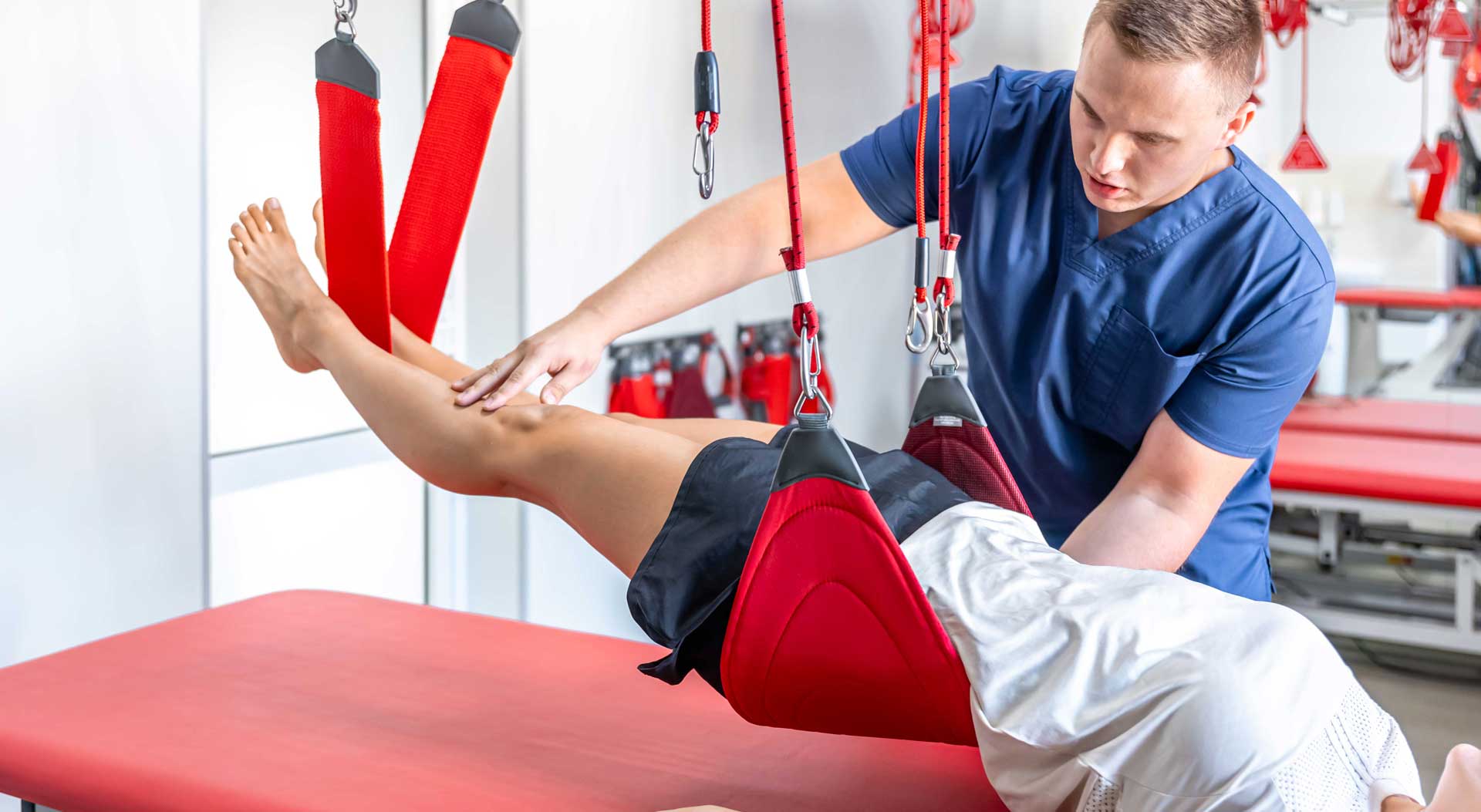

Strength training in physiotherapy is a carefully planned exercise programme that rebuilds the muscles weakened by pain, injury, surgery, illness or inactivity. Unlike a general gym workout, every exercise is chosen to target the exact muscles your body needs, at a level that is safe for your condition.
At New Life Physiotherapy Clinic, Dr. Y. Abhilash (PT) designs and supervises your programme, corrects your technique and increases the challenge step by step. Strong, balanced muscles support your joints and spine, which is the key to staying pain-free long after treatment ends.
We combine different types of exercise to match your goals — from first steps after surgery to returning to competitive sport.
Book Free ConsultationDeep abdominal and back muscle training that supports the spine — essential for low back pain, disc problems and posture.
Muscle contractions without joint movement — a safe, gentle start when a joint is painful or recently operated.
Graded elastic bands that build strength gradually and can be continued easily at home.
Free weights and body-weight exercises, increased step by step as your muscles adapt and grow stronger.
Exercises that copy daily movements — climbing stairs, lifting, squatting and getting up from a chair — so strength carries into real life.
Single-leg, wobble-board and coordination drills that protect joints and reduce the risk of falls and re-injury.
Power, agility and endurance drills tailored to your sport, preparing you for a safe return to play.
Task-based strengthening for weak limbs after stroke, nerve injury or neurological conditions, to rebuild control and independence.
Strengthening is part of almost every recovery plan we create. Tap a condition to learn more.
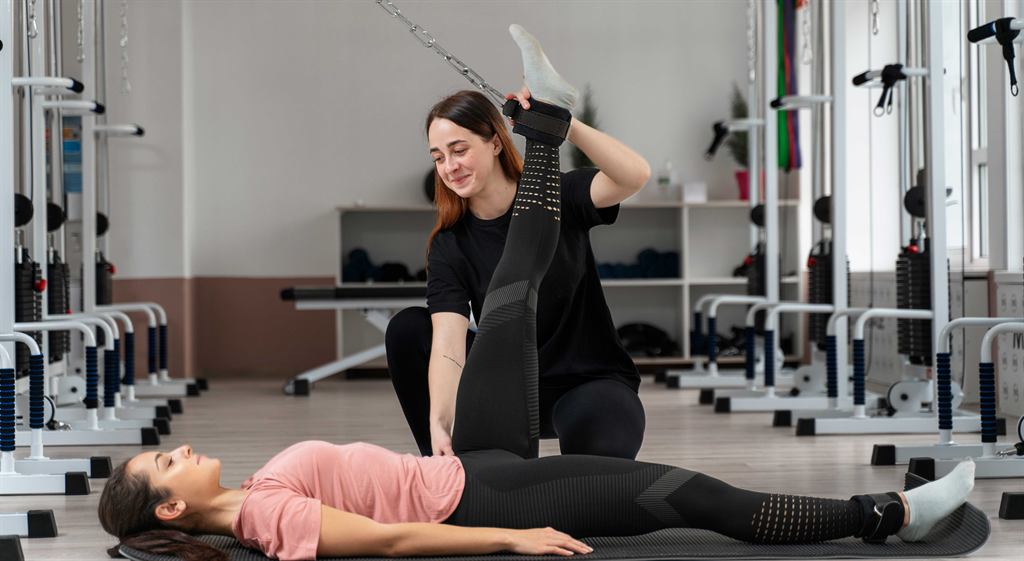
Every programme is supervised one-to-one by Dr. Y. Abhilash (PT) and built around your goals.
We test muscle strength, flexibility, balance and posture to find the weak links behind your pain or injury.
You get a plan with the right exercises, sets and repetitions for your condition, fitness level and goals.
We teach correct technique in the clinic and increase the load gradually and safely as you get stronger.
A simple home programme keeps you progressing between visits, and we re-test regularly to track your results.
A gym workout is general fitness. Physiotherapy strength training is based on an assessment of your condition, targets the specific weak muscles, and is supervised so it is safe for injured or painful joints.
Yes — in fact, the right strengthening exercises are one of the best treatments for back and knee pain. We start gently, choose pain-free exercises and progress only when your body is ready.
Yes. Supervised strength training is highly recommended for older adults to maintain muscle, protect bones, improve balance and prevent falls. Exercises are adjusted to your health and ability.
Many people feel steadier and have less pain within 2–3 weeks. Real gains in muscle strength usually take 6–8 weeks of regular exercise, which is why the home programme is so important.
Usually very little. Most home exercises use body weight or a resistance band, which we can guide you on. We design your programme around what you have available.
It depends on the surgery and your surgeon's advice. Gentle isometric exercises often begin within days, and we progress step by step in line with your surgeon's guidelines.
More questions? See all FAQs
Book a free consultation with Dr. Y. Abhilash (PT) — or call us and we will find a time that suits you.