Kinesio Taping
Stretchy cotton tape that lifts the skin slightly to reduce pain, support weak muscles and improve circulation — without limiting movement.
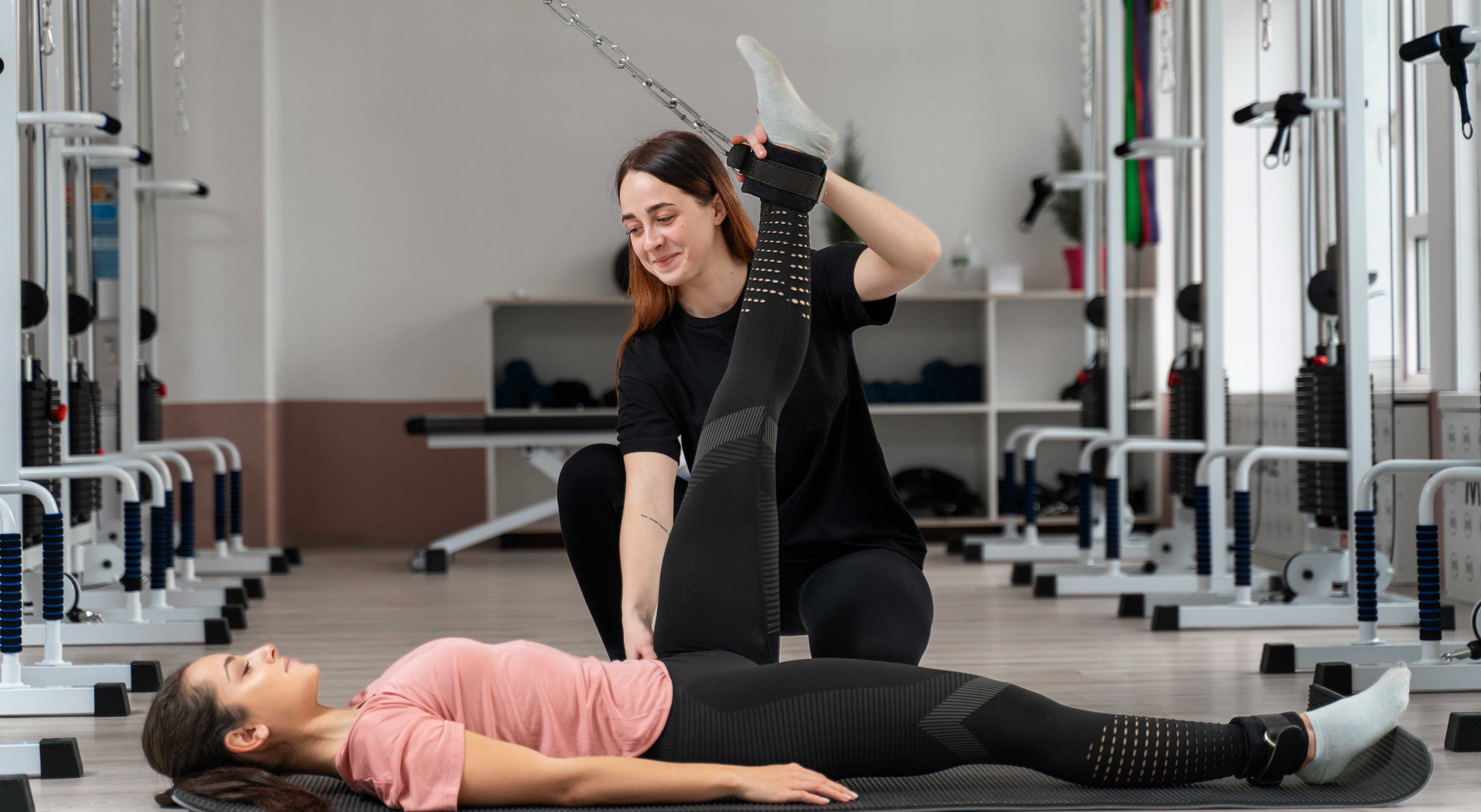
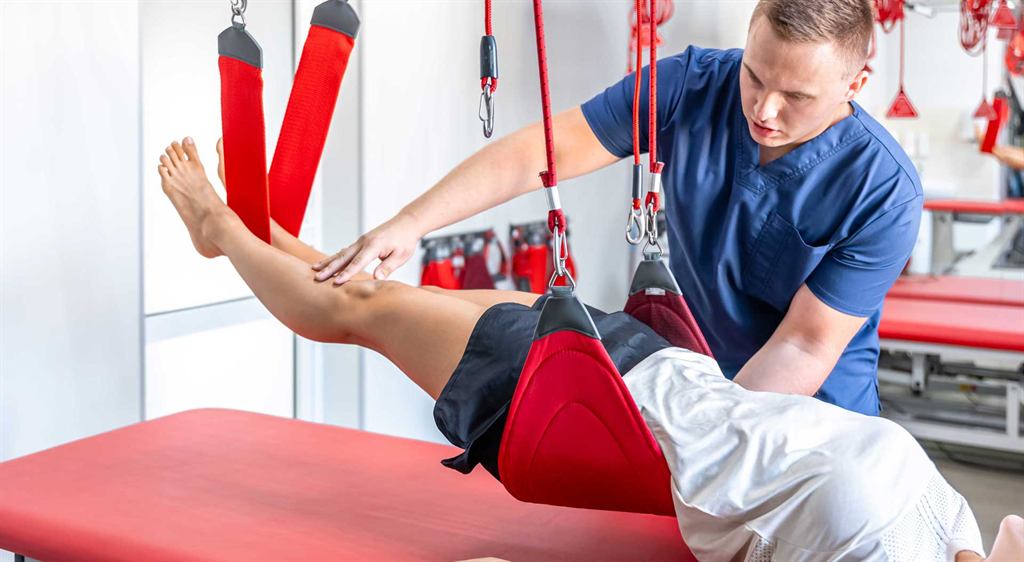
Therapeutic taping uses special elastic or rigid tape, applied by a physiotherapist in specific patterns, to support muscles and joints without stopping you from moving. Kinesio (kinesiology) tape gently lifts the skin to ease pain and swelling and guide correct movement, while rigid sports tape firmly protects a joint after a sprain or injury.
At New Life Physiotherapy Clinic, Dr. Y. Abhilash (PT) chooses the right tape and technique after assessing your problem, and combines it with manual therapy and exercise. The tape keeps working between sessions — at work, at home and on the field — so your recovery continues all day.
Different problems need different tape and application. We select the technique that matches your injury, activity and stage of healing.
Book Free ConsultationStretchy cotton tape that lifts the skin slightly to reduce pain, support weak muscles and improve circulation — without limiting movement.
Rigid tape that firmly stabilises ankles, wrists and fingers to prevent re-injury during training and matches.
Strong corrective tape used mainly for the knee cap and shoulder, to improve joint alignment and reduce pain on movement.
Fan-shaped strips that help drain fluid and reduce swelling and bruising after injury or surgery.
Tape along the back and shoulders that reminds your body to sit and stand correctly, easing neck and back strain.
Supports unstable or painful joints such as the shoulder, elbow and knee while the surrounding muscles get stronger.
Specific tensions and directions that guide the fascia and joints into a better position to relieve tightness and pain.
Supports weak muscles after a stroke or nerve injury — for example shoulder support in hemiplegia or foot and wrist drop.
Taping helps athletes, office workers, older adults and neuro patients alike. Tap a condition to learn more.

Taping is quick, painless and always applied by Dr. Y. Abhilash (PT) after a proper assessment.
We find the injured or weak structure and check your skin, movement and activity needs to choose the right tape.
The area is cleaned and dried so the tape sticks well; a small test strip is used if you have sensitive skin.
Tape is applied with precise stretch and direction in just a few minutes, then rubbed gently to activate the adhesive.
You learn how long to wear it, how to care for it and how to remove it, and we reassess at your next visit.
Kinesio taping uses a thin, stretchy cotton tape applied in specific patterns. It gently lifts the skin to reduce pain and swelling, supports muscles and joints, and still lets you move freely.
Kinesio tape is usually worn for 3–5 days. Rigid sports tape is normally applied just for training or a match and removed afterwards. We will tell you exactly how long for your tape.
Yes, kinesio tape is water-resistant. After showering, gently pat it dry with a towel — do not use a hair dryer, as heat can irritate the skin.
Applying tape is painless. A few people with sensitive skin may get itching or redness; we use hypoallergenic tape and a test strip when needed. Remove the tape if it itches or burns and let us know.
No. Taping supports your recovery between sessions, but lasting results come from treating the cause with manual therapy and the right exercises. Taping works best as part of the full plan.
Tape is not applied over open wounds, skin infections, fragile or very sensitive skin, active cancer areas or a suspected blood clot (DVT). We check your history before taping to make sure it is safe for you.
More questions? See all FAQs
Book a free consultation with Dr. Y. Abhilash (PT) — or call us and we will find a time that suits you.